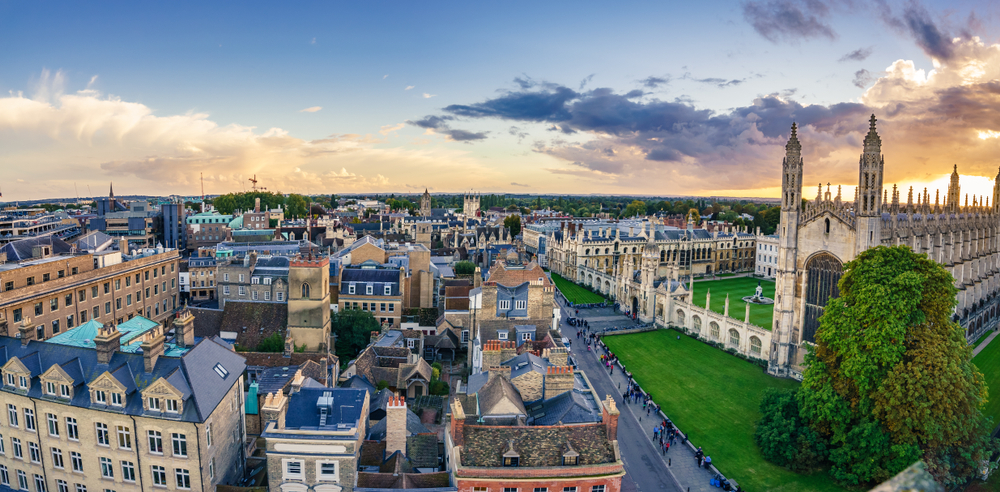
You’ve always dreamed of studying in the UK. But what’s student life in the UK actually like?
From living costs to class schedules, to accommodation options, we answer some of the most frequently asked questions we get from international students coming to study at UK universities. Check them out!
What will my class schedule be like?
University classes in the UK typically run between late September and June. At some universities, courses are divided between two semesters: fall (or autumn) and spring. But at others, courses are divided into three terms. In the last term students usually take exams.
How many hours you’ll spend in class each week will depend on the course you’re studying. If you study something like English - which requires a lot of reading outside of class - you might only spend 10 hours in lectures and seminars each week. But if your course is more hands-on, you could be in class for several hours each day. You’ll also have several weeks off each year - usually around April or March (Easter), December and January (Christmas), and in July and August (summer).
And what will classes look like this upcoming term as coronavirus restrictions ease? Well, the UK has allowed students to head back to campus starting in May. However, many universities say they’ll run hybrid classes (both online and in-person) this fall, so that’s something you should be prepared for.
Check out our blog: Study tips for the UK
What housing options will I have?
Lots! As an international student in the UK you can choose to live in residence on-campus, or similarly, in student housing off-campus.
These options are designed for students in mind. They usually feature study spaces, social rooms, as well as restaurants and cafeterias. Many people decide to live in student accommodation because it gives you a real taste of student life in the UK. You’ll also have the opportunity to meet and socialize with other students from around the world.
You might also decide to rent a room in a shared space with roommates. Alternatively, you can find your own private apartment, which can provide you with a bit more independence abroad.
Check out our blog: How to choose international student accommodation in the UK.
What will my living costs be?
Living costs in the UK can vary depending on where you’re located. For example, university life in London will be more expensive than in smaller cities like Leicester or Nottingham. But a survey conducted by Save the Student found that students across the UK spend an average of £795 each month. Expenses include things like rent (£418), groceries (£100), going out (£46) and getting around (£46).
Can I work?
Many students who move overseas want to work while studying. And in the UK, lots of international students can. If your course is at a degree level and you’re studying full-time, you should be able to work for 20 hours each week during the semester. If you’re studying below a degree level full-time, you should be able to work 10 hours per week. The rules surrounding exactly how many hours you can work will be clearly stated when your student visa is approved.
Learn more about the minimum and living wage in the UK.
What can students in the UK do for fun?
With its multicultural cities, charming towns and breathtaking rolling landscapes, the UK is an incredible place for international students to explore. Why not hop on the train to visit some centuries old castles? Or spend an afternoon alone exploring a renowned museum? Wherever you are in the UK, there’s no shortage of activities to take part in between classes - all of which can help you experience the different cultures across the UK.
If you’re looking for something unique to do, design my night is a good website to check out. It lists events across more than a dozen UK cities. It includes activities like quiz nights, escape rooms, pop-up cinemas, afternoon tea, and more. There’s also Sofar, which plans intimate, pop-up gigs in secret locations around London – and work to follow COVID-19 regulations.
Lots of restaurants, museums, and stores also boast generous student discounts. You can take a look through them on Save The Student’s student discount directory.
Now, what does the PTE team like to do in London? Here’s what they recommend:
“I've really enjoyed cycling on all of the bike routes in London during lockdown! There are so many cycle highways that it's easy to see the whole city on bicycle," said Richelle Zakrzewski, who’s the Digital Marketing Manager at PTE Academic.
“I've been making the most of the great British countryside and going hiking at the weekends in small group," said Melanie Drake, our global training and resources manager.
“I've become a member of the National Trust and have enjoyed visiting the UK's historic houses and gardens. My favorites include Chartwell - Winston Churchill's house growing up - and Osterley House - a Georgian country estate in West London. I also went to a socially-distanced concert and really enjoyed it! I saw a band called Squid play outside in London's docklands, at sunset, with Canary Wharf and the Emirates Cable Cars in the background. It was a really nice way to see live music, and we felt very safe with mask wearing, social-distancing and table-service in place,” said Gemma Considine, who is the director of English Assessment Marketing at PTE Academic.
"With less people in town, I’ve been enjoying taking photos of iconic landscapes that would normally be very crowded,” said Erica Da Rocha, our Global Marketing Manager.
Are there support services for international students?
Yes. International student life in the UK can be full of great moments - but it can also be challenging at times. Your university will have a team to support international students, who should give accessible information on university matters. These teams help foster a community for international students and provide general support for every international student on campus.
You will also be able to get academic, well-being, and community support through your university. This might include language support, study skills programs, employment and housing services, academic accommodation, and financial support.
Student Minds, a UK charity which focuses on student mental health, also has a great resource for university students. It addresses a number of issues that might come up such as questions about identity, excelling in courses, and developing positive mental health.
How should I plan for life after graduation?
There are new visa changes in the UK - and they make them much easier for students to plan for after graduation. The UK’s new post-study work visa - called the Graduate Route - opened on July 1st. It lets bachelor’s and master’s students stay in the UK to work (or job search) for two years after completing their studies.
Doctorate students will be allowed to stay for three years. So, graduates are now able to take time to grow their careers in the UK - and make long-term plans to stay if they choose.
Looking to study in the UK?
PTE Academic can help you begin your adventure. Our computer-based test is accepted by 99% of universities across the UK as proof of English language proficiency and it’s also accepted by the UK government for immigration purposes. Learn more today!