5 part time jobs for international students in Australia

PTE Author
PTE Author
Card- Barista- part time job
Reading time: 5 minutes

Studying in Australia is a dream for many students. The country is known for its long stretches of white sandy beaches, rugged outback, and charming people. 

It’s also home to more than 1,100 world-class institutions - earning Australia a reputation for being a top study abroad destination. And don’t just take our word for it: 90% of international students reported being happy studying and living in Australia, according to a 2018 government report.  

For many international students, working in-between studies to pay for living expenses is also part of life in Australia. So what kinds of jobs are popular for students in the country? And what is the pay like? Let’s take a look:

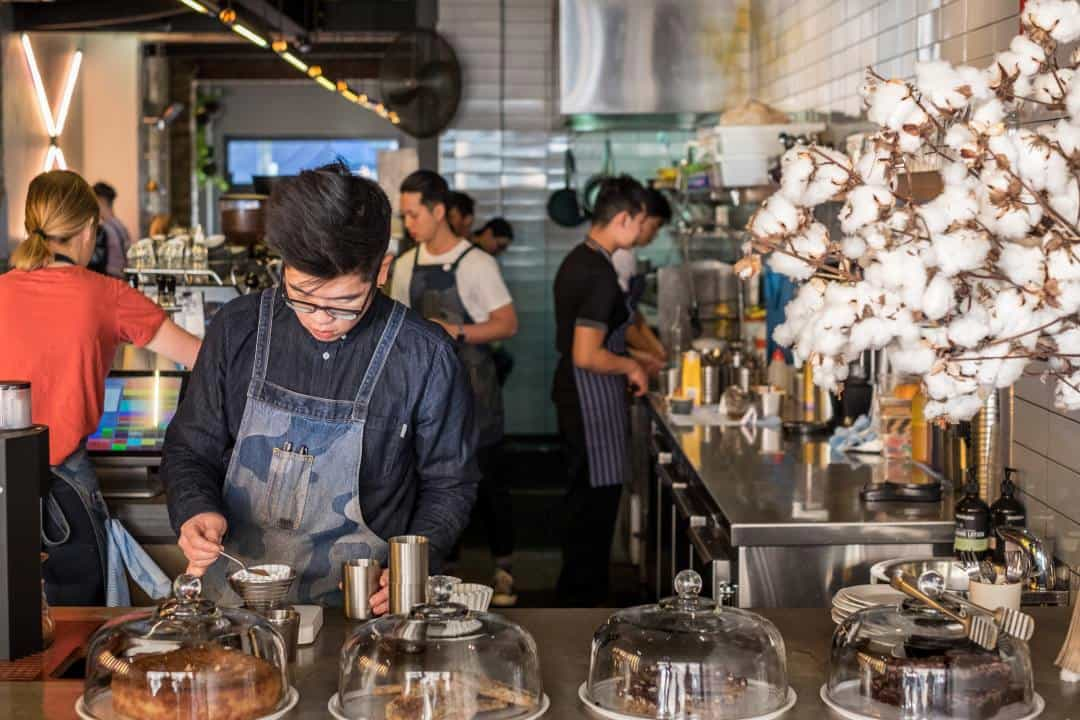
1. Barista 

Coffee culture is huge in Australia. Because the country is famous for its “flat white” drinks and quality coffees, there are many different cafes for international students to apply at. After all, where there is a demand, there will always be jobs! 

Of course, working as a barista requires that you have strong customer service skills, are proficient in English, and are familiar with popular coffee orders and how to make them (although your workplace will likely also train you). Because cafe culture is so important to Australians, a job serving coffee is arguably one of the best ways to feel immersed in the local culture.  

2. Bartender  

For students, being a bartender has many perks. The hours you work rarely conflict with regular university class schedules. Being a bartender is a great way to meet new people. You could also earn tips. Tipping isn’t part of Australian culture per se, however it is becoming more common to tip service staff a small amount to thank them for good service.  

If you’re interested in serving drinks, you could also consider getting a job at an Australian winery. Because Australia has so many wineries (about 2,361 in total), wine culture is not only a prevalent part of life in Australia. It’s also always usually a thriving industry with lots of job opportunities. 

3. Server 

Keen on the hospitality industry? Serving is another great job. And, even better if you get to work at a beachside restaurant. The University of Adelaide, The University of the Sunshine Coast, and The University of Melbourne are all institutions located by the coast, where international students have the opportunity to earn a living part-time while also experiencing Australia’s beautiful beaches.  

4. Hotel and hostel jobs 

A bonus of studying in a place that happens to be an internationally-famous vacation spot is that there are many jobs in hospitality. Students studying at institutions like The University of Tasmania, for example, can benefit from the local tourism industry by applying for jobs cleaning in hotels or cooking in hotel kitchens.  

Australia’s hostels are also great spots to look for a job. Foreign students would be a great fit for hostel jobs like receptionists because of their international experience, age, and language skills. The bonus here is that you will find yourself working amongst like-minded and fun travelers.  

5. Fruit picking 

Australia has plenty of fruit picking jobs throughout the country. Strawberry, blueberry, and avocado picking jobs, for example, are all common jobs available to students in Australia. They’re also quite common to come across. Recently, the government also announced they’d allow students working in agriculture to work more hours every week - which is a big plus! We share more on that below.  

How many hours can I work? 

When studying in Australia, one of the main regulations for international student visa holders is that  they can work up to 48 hours every two weeks while studying and unlimited hours during study breaks on an Australian student visa. 

The government changed those restrictions for students working in certain industries to support these sectors during the pandemic. Now, students can work unlimited hours in healthcare, disability care, aged care, agriculture, and tourism. 

What’s the minimum wage in Australia? 

Australia is known for its high minimum wage. The minimum wage in Australia is $24.10 per hour or $915.90 per week - this is a huge draw for many international students.   

Where should I look for work?

Your institution in Australia should have a career center to help you look for work. They should provide you with resume and interview tips, as well as a job board that lists open positions. We always recommend visiting your institution’s career centre when beginning your job search.  

There are also job sites like Indeed, Seek, and Jobactive from the Australian Government’s Department of Education, Skills, and Employment. All of these sites list thousands of part-time jobs for international students to consider.  

Last updated 20 December 2024.

Ready to go? 

PTE can help you secure a spot at an Australian institution. Our test is faster, fairer, simpler, and accepted by all universities in Australia.   

Learn more about PTE Academic.

Related Content

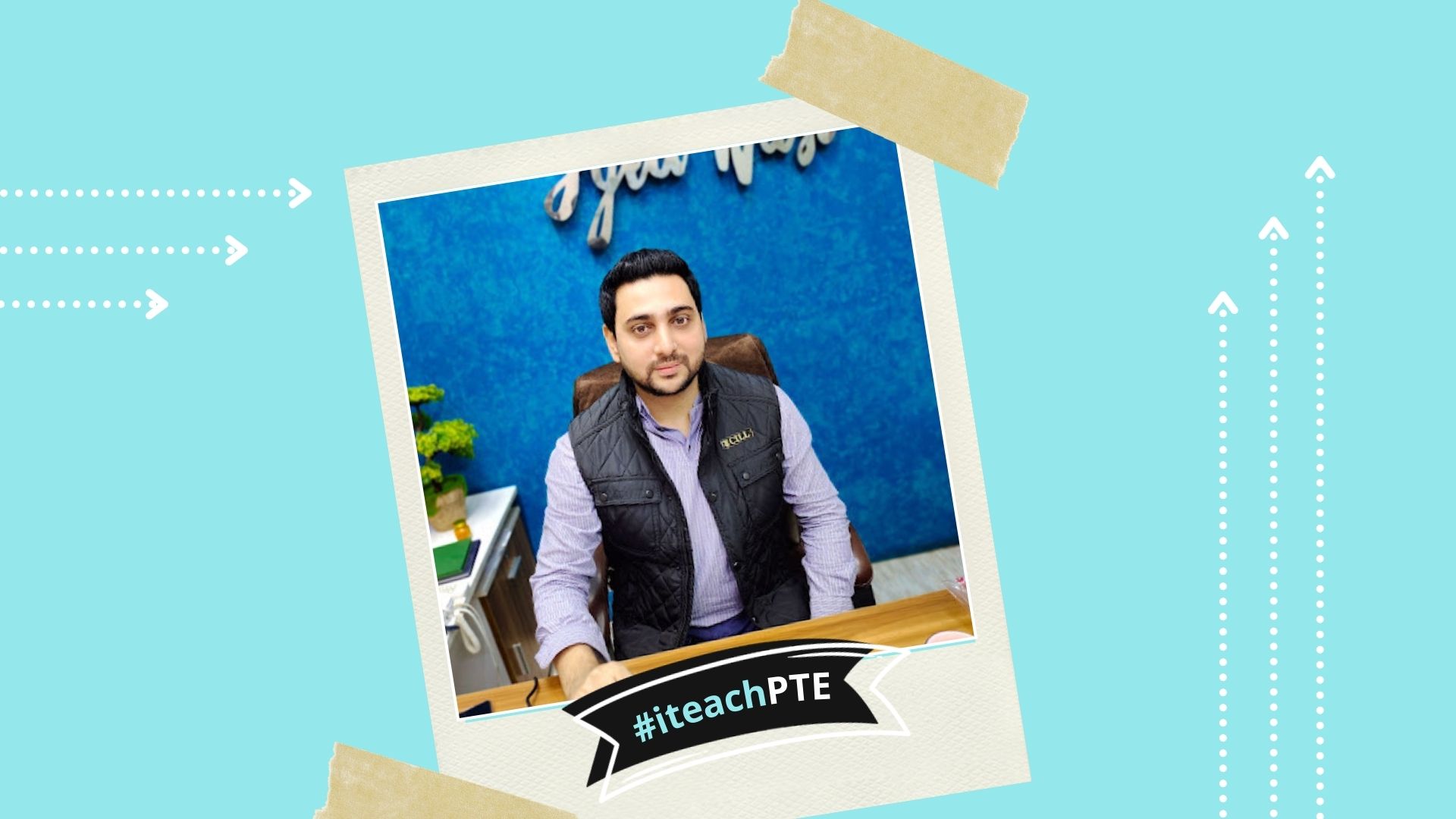
  • Image - iteachPTE Syed Wasi
    Teacher profile: Building a learning community in Dhaka
    By PTE Author
    Reading time: 5 minutes

    Syed Wasi is a pioneer in many ways. He was the first PTE trainer in Bangladesh, and the first Bangladeshi to score 90 in PTE – no mean feat in a country of 166 million people! Syed is the founder of the Center for Innovative Language Learning (CILL) where students come for his help in preparing for PTE. The center is renowned for its high student success rate.  

    So, how does Syed help his students to get the scores they need in PTE? Let’s find out.  

    How Syed teaches PTE  

    When a student arrives at CILL, their first step towards PTE success starts with a language assessment. “If we find that their language skills aren’t particularly strong,” says Syed, “the first thing we do is create a course which includes general language classes. We go step by step through the levels, helping them to improve their language skills – and once they are ready for PTE, they join a PTE preparation class.”  

    Once Syed’s students are part of a preparation class, they follow a carefully designed curriculum. Each language skill tested in PTE (speaking, writing, reading and listening) is covered in a module of three classes. The first class introduces the type of exam questions that students can expect. The second class gives students the practical tools and techniques that they’ll need to answer the exam questions, and the third class is a practice session. But the secret to Syed’s success? He doesn’t let the students sit PTE before they’re ready:  

    "The final step in PTE preparation is the mock test. We don’t let them take the test until they’re ready for the test, which is why we have a very high success rate.”  

    Flexibility is also important. The PTE preparation courses at CILL are blended courses; some students attend the center in person, and others join online. When the pandemic began, there was a massive shift to teaching online, and many schools had to adapt quickly. But Syed’s language school was ahead of the curve when it came to blended learning. “I did my masters in online teaching back in 2012,” says Syed. “We’ve been teaching with a blended learning model since 2016, so it was easy for us to adapt. Now, students are returning to the classroom, but we still offer the blended learning option.”  

    Building a community of learners  

    An important part of the school culture at CILL is the accessibility of the teachers. Learning isn’t confined to the classroom – the teachers are available to answer questions outside of class times. “We create WhatsApp groups for different classes, and it’s like a virtual hub,” Syed explains. What’s more, the teachers follow up with students after class. This dedicated service has helped Syed to build a loyal community of learners around the world. “Many of our students have moved to Australia, to the UK, or to other countries,” he says. “And wherever they go, if they meet anyone interested in PTE preparation, they refer them to our school. They’ll say, there’s a person in Bangladesh who can give you the support you’ll need to pass the test.”  

    Syed’s advice for PTE teachers 

    “If you’re new to PTE teaching, the most important thing is to make sure you have the expertise you need to prepare students for the test,” Syed says. After all, there’s a lot on the line when it comes to PTE. Students often need a certain score for a university application or a visa. So if you don’t prepare students thoroughly, it could have an impact not only on their score but on their careers. Syed recommends taking the test yourself in order to gain real insight into PTE.  

    And for more experienced teachers, Syed believes that honesty is the best policy when it comes to test preparation. “Tell your students exactly what they’ll need to do in order to get the score they need. Be honest with them, and that way they know what they have to do.”  

    PTE is a high stakes test. When you’re helping students to prepare for the exam, you’re helping them to change their lives, to do something new. “It’s not just a business,” says Syed. “We are helping students to reach their goals. It’s my passion, and my vocation.”  

    Learn more

    Each month, we feature the profile of a teacher from our PTE community. If you have advice and insights to share with other PTE preparation teachers, we’d like to hear from you! Fill out this form and we’ll be in touch shortly.  

    In previous months, we featured Jurine Ruperto, who teaches in Cebu in the Philippines, and Ramesh Thapa, a PTE teacher in Kathmandu. You can read all about them on our blog, where you’ll also find lots of resources for PTE preparation classes. And don’t forget to sign up to our monthly newsletter.

  • Image - Typing
    How to prepare for the PTE essay writing task
    By PTE Author
    Reading time: 6 minutes

    The PTE exam includes four main sections: reading, writing, speaking, and listening. You will do the speaking and writing tasks together in part one of the exams. While your writing will be assessed in your answers to other tasks, there are only two specific writing tasks: summarize a written text and write an essay.   

    The PTE essay writing task aims to test your grammar, spelling, vocabulary, and written discourse skills. Therefore, it’s important that you understand this section, and what’s expected before going into the exam.  

    If you’re looking for some tips and guidance on how to approach this part, look no further! 

    Read on to find out what the essay writing task is about, how to approach it, and what the examiners are looking for. 

    Essay Writing Task Structure 

    For this task, you will receive a 2 to 3 line prompt stating an opinion or statement. Prompts can be written in a number of ways.  

    For example, you may have to discuss problems or solutions, or argue for or against an opinion: 

  • Image - Canada, 1080px
    Canada’s post-graduation work permit: requirements and how to apply
    By PTE Author
    Reading time: 5 minutes

    Canada needs immigrants to grow its population. And there’s good news for students: foreign learners and people with a post-graduation work permit (PGWP) are some of the most important propellers of the country’s population growth.  

    So how does a PGWP work? In this guide, we cover what you need to know. You’ll learn about who’s eligible, how much it costs, and most importantly, how long you can stay in the country after graduation to gain Canadian work experience.  

    Canada’s post-graduation work permit: how does it work? 

    The PGWP lets international students who have graduated from an eligible designated learning institution to stay in Canada and work for up to three years. Not surprisingly, the program is a big draw to work and study in Canada for international students – and it’s grown in popularity over the last several years.  

    Just take a look at the numbers: between 2005 and 2016, the amount of permits issued to new graduates increased by 15 times – from 7,400 to 117,700 per year. By 2018, 143,000 permits were issued. And in the first quarter of 2021, PGWPs increased 160% year-over-year.  

    The PGWP is an open work permit, which means you can work for any employer in Canada. You also don’t need a job offer to apply. The length of your PGWP depends on how long you’ve studied in Canada. For example, if your program was: 

    • Under 8 months, you won’t be eligible for a PGWP. 

    • Less than 2 years, you may get a permit for the same amount of time as you studied (for example if your program was one year, you might get a permit for one year).

    • More than 2 years, you could be eligible for a 3-year permit. 

    If you studied more than 1 program, you may also get a PGWP that combines the length of each program.  

    Who is eligible?  

    To be eligible for a PGWP, you need to meet a number of criteria. For example, you need to have graduated from a program that was at least 8 months long at a designated learning institution – and have earned a degree, diploma, or certificate from that. 

    International students who were approved for a study permit and are studying online outside Canada due to the pandemic are also eligible for a PGWP.  

    However, people who’ve only studied English or French as a second language in Canada are not.  

    For a full list of criteria, make sure to check out the Government of Canada website.  

    How can you apply? 

    Before you begin the application process, you need to have proof that you’ve completed your studies. You need to show either: 

    • An official letter from your institution 

    • An official transcript  

    • A degree or diploma  

    After you’ve got one of these, you need to apply for a PGWP within 180 days.  

    Instructions for exactly how to apply depending on whether you’re applying from inside or outside Canada. You can find the step-by-step instructions on the Government of Canada website – including an official guide and a document checklist.  

    How much does it cost? 

    It costs $255 CAD to apply for a PGWP. Processing times differ, but it can take up to 73 days to be approved on average. However, the good news is that many graduates can work while they’re waiting on a decision.  

    Other visa options  

    Being able to work and study in Canada for international students around the world is often a dream come true. However if you’re not eligible for a PGWP, you do have some other visa options.  

    An employer-specific work permit 

    This type of work permit allows you to work for a certain amount of time for a specific employer. You might be eligible for this if you’ve gotten a job to be a researcher at a university, or a charitable worker at an NGO, for example.  

    Canada has a tool to help you learn more about what type of work permit you could be eligible for. You can check it out here.  

    Permanent residence  

    If you’ve worked full-time for 12 months after graduation in a skilled trade, a professional job that requires a degree, or a management-level job, you could be eligible for permanent residence.