
Which UK university is best for you?

PTE Author
PTE Author
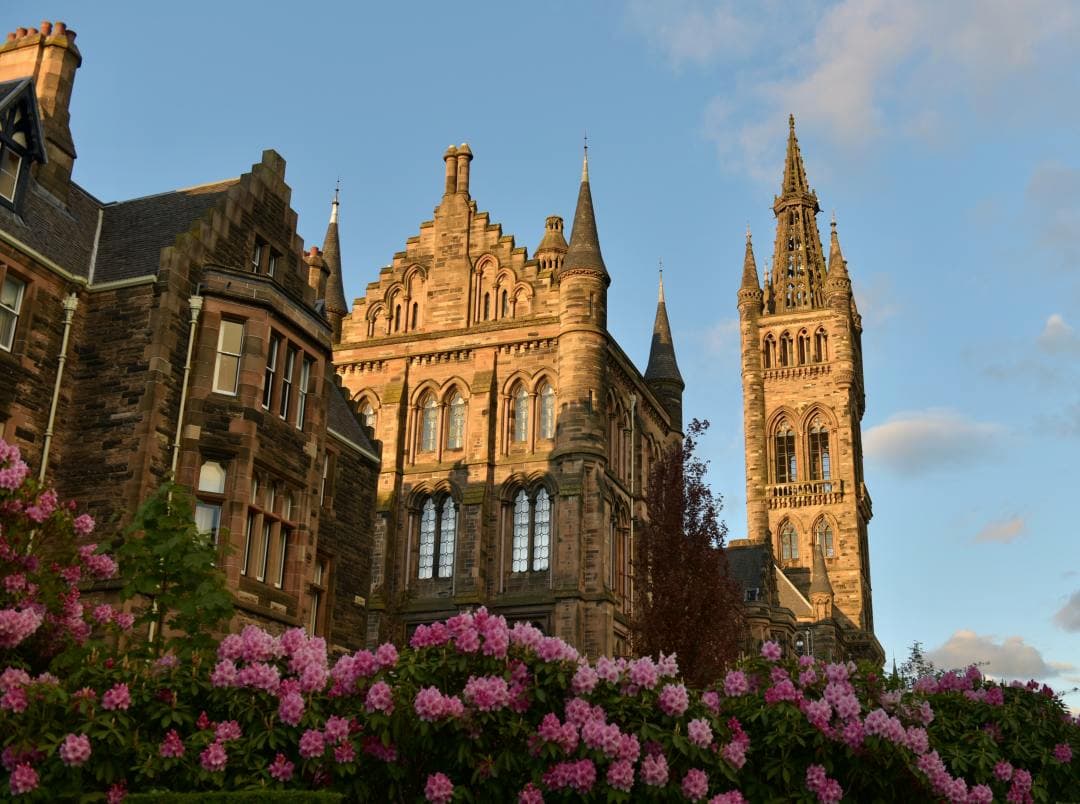
Image - University of Glasgow
Reading time: 8 minutes

People study abroad for many reasons - to see new places, to experience a different culture, and maybe most importantly, to get access to student life and educational opportunities not available at home. If you want to study at a UK university, you’ll not only have access to some truly innovative teaching and research - you’ll also be joining one of the most multicultural student bodies in the world. 

Within the UK, there’s a huge range of universities and courses to choose from. So, how do you choose between over 160 institutions, and thousands of courses? Research finds that half of students who drop out of university early do so because they chose the wrong course, so it’s important to be completely happy with your choice.  

So, let’s have a look at what you need to consider before you make your university application, so that you can make the right choice. 

Choose your subject   

The first step in the process of choosing a university is deciding what you want to study. Your UCAS personal statement will be sent to all your university choices, so it should be relevant to all the courses you apply for. This means that all of your course choices must be the same or in a similar field. 

Think about the school subjects you’re good at, but also think about what you could spend the next three or even four years studying.  

Is there a subject that you want to continue and deepen your knowledge in? Or do you want to study something completely new?  

Do you want to study a subject like law or medicine that relates to a specific job? Or perhaps you want to take a course like history that can be used in a wide range of careers? Think carefully about these questions, and the rest of the process will become a lot easier. 

Do as many events and online taster sessions, and sign up for as many free online courses as you can. Futurelearn has a great range of taster courses from universities all over the world. This can really help you decide where your interests lie.  Above all, keep notes on what interests you, and what doesn’t. 

If you think you want a broader degree, then you’ve always got the option of doing a joint honours degree. This means you combine two different courses. Many joint honours courses combine a language with another subject, giving you the possibility to use your learning around the world, or even do a study placement in another country.  

Consider the competition 

When thinking about what course you could do, it’s important to consider the competition. Some courses have many more applicants than places, but there are also hundreds of ‘hidden’ courses which get far fewer applicants. For example, the University of Oxford gets 16.9 applicants per place on its Economics course, but it’s closer to 3 applicants per Classics place. Classics covers a range of areas like politics, history, linguistics, social sciences and more, and really challenges your intellect.  

Economics might be competitive, but Classics might be just as valuable. There are thousands of ‘hidden’ courses, which, just because they’re not famous, don’t attract as many applicants. Check out the full range of courses on the UCAS Explore site, and the Uni Guide, and do it with an open mind. 

Once you’ve narrowed down your list of courses, it’s time to think about where to study. 

Think about location and compare universities in the UK 

The UK might be a small country, but it’s incredibly diverse. There are large, international cities like London or Glasgow, smaller towns and cities like Cardiff, Belfast or Nottingham, rural universities like Lancaster, coastal towns like St. Andrews or historic cities like York, Oxford or Cambridge.  

So, when you’re deciding on a UK university, you need to first ask yourself: what’s important to you? Would you prefer to live in a busy city or in the quiet countryside? Are you going to be doing a lot of exploring or will you stay near campus? These factors will make a difference to your decision. 

You’ll also need to think carefully about costs. Different parts of the UK have different costs of living, depending on things like rent, transport, and the cost of entertainment. Check out property websites to see what rents are like, to get an idea of how expensive life will be.  

For more information, check out our article on the cost of living in the UK.  

Finally, the type of university itself is important. Some universities have campuses where the whole of university life takes place, like the University of York. Others are more spread out, such as the University of Manchester, which has buildings all over the city. Each has its own atmosphere and you should think about which you prefer. 

Look at the rankings: How to choose a university in the UK 

Find out how your preferred universities rank in the league tables. Rankings of the top universities in the UK don’t just measure teaching quality. They show data on student satisfaction, post-graduation employment rates, and staff to student ratios. 

The best universities in the UK and courses with higher rankings will be more competitive to gain entry to. You can apply for up to five courses on your UCAS form, so it’s a good idea to choose a range of courses and universities. Include an ambitious choice which you may or may not get the grades for, and safe choices that you know will accept you. 

You can check the Guardian university rankings, or the Times Higher Education rankings to see which universities are the most highly rated. 

That being said, student life in the UK is about balance. You need to consider both rankings and what’s right for you. It’s no use going to a top ranking UK university in a location you hate, studying things that don’t interest you, and where the culture on campus doesn’t appeal to you.  

Sometimes it might be better to move down the rankings if you know that the university will really help you to shine.  

Remember, the reason that there are so many different kinds of university is because everyone is unique. If you’re applying to somewhere that you know really matches your values and interests, you’ll be much more likely to make a success of your university career. 

Research the teaching style  

It’s a good idea to look at the style of teaching and assessment at your chosen university. Some courses focus more on final exams, some on coursework, and some on projects, dissertations and independent research.  

See whether your university’s exams are open book or closed book. If they’re closed you have to remember a lot more, but if they’re open you will probably have to give more detailed answers in your exams.  

If you can attend open days and chat to other students and potential professors, do so. But if you can’t, remember that each university course website will tell you about the course content and how it is assessed. You need to make a choice based on what type of assessment will suit you best. 

Some courses are taught in large lectures and seminars, and others, such as many Oxbridge colleges, will teach you in small groups or one-to-one with a tutor. The teaching style that works best for you will be decisive in your choice. 

Consider your hobbies   

Every university has its own culture and social life based around the student unions and societies. University life is about more than studying, for local and international students alike.   

You will have a more balanced student experience if you make time for your hobbies. Look on the university website to learn about student societies and clubs, and see which activities are available to you. But don’t worry if you don’t see anything that appeals - you can always be proactive and start your own society.  

Do you have a sport that you love to do? If you do, and you’re really good at it, you might even be eligible for a scholarship. There are all sorts of funding and awards available, so even if you think you won’t get anything it’s a good idea to check. 

Read about sports scholarships at UK universities.   

Make sure you fulfil the English language requirements 

You’ll need to pass a test of English for your UK student visa requirements. You can take any Secure English Language Test (SELT) that’s been approved by the Home Office, the UK government department responsible for immigration.  

PTE Academic can be used for UK student visas for degree level courses, and to access 99% of universities in the country. The test takes two hours, covers reading, speaking, listening and writing and is entirely done on a computer. Results usually come back within 48 hours, making it convenient and reliable.  

Choosing a UK university requires a lot of thought. Luckily, choosing an English test to get the visa is easy.

Related Content

  • [Asset] On test day during the test - 800 x 451 - for article use
    Busting the myths about English test centers
    By PTE Author
    Reading time: 5 mins

    By: Dan Doyle, Vice President, Assessments & Certifications, Pearson English Language Learning

    Every day, English tests help decide whether someone can start a new life abroad.

    For those taking a language test as part of a visa or migration process, the stakes couldn’t be higher. These are moments that decide futures, whether it’s studying at university, reuniting with family, or landing a first job overseas. That’s why, for tests like PTE Academic and PTE Core, test centers offer a secure, accurate, and trusted experience that governments can rely upon.

    But a few myths still persist, so let’s set the record straight.

    Myth one: “Test centers aren’t that secure”

    Reality: a test center environment provides security that starts before the test begins:

    • Biometric ID checks. Every test taker must show valid ID (like a passport) and confirm their identity with photos, palm-vein scans, and digital signatures.

    • Physical security checks. Trained staff check clothing and personal items before entry, stopping hidden notes or unauthorised materials from getting in.

    Once the test has begun, test centers combine secure-by-design exams with digital and human supervision to create a secure, fair environment:

    • Unique exams. Every PTE test is different. No two test takers get the same questions, and proctors can’t access the content.

    • Secure systems. The test runs on software and hardware fully controlled by Pearson, so it can’t be tampered with.

    • Multiple cameras, full visibility. Test centers use wide-angle CCTV to monitor the entire room.

    • Proctors in the room. Trained staff can spot hidden notes, off-screen help, and respond to anything suspicious straight away.

    Myth two: “Test centers rely on human proctors”

    Reality: human proctors play a key role, but they’re just one piece of what makes test centers secure.

    Test centers provide multiple types of security and supervision, all managed by the testing body — not the student — making them the most secure testing environment.

    As well as cameras, test centers can provide identity verification, physical checks, and in-person supervision needed for a high-stakes test.

    This real-time, multi-layered monitoring means if anything suspicious is flagged, a full investigation can be carried out centrally by Pearson, using CCTV footage, audio, AI checks, and human review.

    Myth three: “Test centers can’t detect cheating afterwards”

    Reality: Pearson carefully analyses every single test result using a combination of AI and trained human experts.

    After the test is completed, it goes through fraud analytics to identify unusual patterns or behaviours. If anything looks suspicious, the result is placed on hold and reviewed in detail by our security experts before it’s released.

    A quick summary: how test centers support high-stakes English testing

    • Biometric checks to confirm identity

    • Physical security checks to ensure no materials enter the test

    • Randomised computer-based test content for every candidate

    • Multiple cameras and full-room visibility

    • Real-time supervision by trained staff

    • AI and human experts working together to spot unusual patterns

    • A consistent environment and equipment for all test takers

    These measures make sure that every candidate has the same opportunity to succeed, and every institution can rely on the result. Behind every test is someone with a dream of a new life abroad, and PTE has the great privilege of helping them get there.

    Want to know more?

    Take a look at our latest PTE security whitepaper.

  • Flinders Street Station Melbourne
    Where to live in Australia: your guide to relocating Down Under
    By PTE Author

    Endless beaches, world-class coffee, and… spiders the size of dinner plates (?) — Australia really does have it all! Thinking about making the move to the Land Down Under? Well, grab your sunscreen and let's explore the best places to call home in Australia.

    Melbourne: the hipster haven

    If laneway cafes, vibrant street art, and sipping artisanal coffee while wearing all black are your thing, Melbourne is your Southern Hemisphere soulmate.

    Consistently ranked as one of the world’s most liveable cities, Melbourne’s thriving arts and music scenes, paired with endless brunch spots serving smashed avo on toast, keep the vibe electric.

    With its unpredictable weather and famous tram network, Melbourne is a quirky yet sophisticated hub that never goes out of style.

    Sydney: the showstopper

    Sydney dazzles with its iconic Opera House and Harbour Bridge, but there’s so much more to this multicultural metropolis.

    From the golden sands of Bondi Beach to bustling neighborhoods like Newtown and Surry Hills, Sydney combines natural beauty with urban excitement. A magnet for international students and professionals, the city boasts fantastic job opportunities and a lively social scene.

    Just prepare for housing prices that might rival your love for flat whites – but the unbeatable lifestyle makes it worth every cent.

    Brisbane: the sunny sweetheart

    Brisbane is a laid-back city that deserves more love. With over 300 days of sunshine each year, it’s a paradise for those who prefer a more relaxed pace without sacrificing big-city perks.

    The South Bank precinct offers riverside dining, cultural attractions, and a man-made beach, while nearby adventures like Moreton Island and the Gold Coast are just a short trip away.

    Perth: the isolated gem

    Perth may be one of the most isolated major cities in the world, but it’s worth the extra travel time for the quality of life.

    With pristine beaches, sunny weather, and a booming economy, this Western Australian city has it all. Weekend wine tastings in the Swan Valley or trips to the quokka-filled Rottnest Island are local favorites.

    Plus, with world-class universities and a vibrant arts scene, Perth proves that being far from everything can be a blessing in disguise.

    The Gold Coast: the eternal summer

    If you dream of an endless summer filled with surfing, sunshine, and stunning beaches, the Gold Coast will be your ultimate playground.

    Known for its laid-back spirit, you’ll find a booming food scene, thrilling theme parks, and lush hinterlands perfect for hiking, as well as the famous 3 km-long “Surfers Paradise”.

    The Gold Coast offers a year-round vacation vibe without compromising on modern conveniences.

    Adelaide: the festival city

    Adelaide may be quieter than some of its bigger siblings, but don’t underestimate its charm.

    Known as the “Festival City,” Adelaide comes alive with events like the Adelaide Fringe and WOMADelaide. Its surrounding wine regions, including the Barossa Valley, are world-class, and the city’s low cost of living is a bonus.

    Whether you’re enjoying fresh produce at the Adelaide Central Market or swimming with dolphins off the coast, Adelaide combines culture, nature, and affordability into one appealing package.

    Canberra: the sophisticated sister

    Often overshadowed by Sydney and Melbourne, Australia’s capital city quietly holds its own with top-tier universities, abundant job opportunities, and a clean, green aesthetic.

    Canberra’s museums, galleries, and parks make it a cultural treasure trove, while its thriving food scene keeps locals happy. Sure, there are plenty of roundabouts, but that just adds to the city’s unique charm.

    With a focus on education, career growth, and quality of life, Canberra is a sophisticated choice for those who value stability and style.

    Relocating to Australia

    Moving to Australia isn’t just about picking a city—it’s about embracing a lifestyle that offers both opportunity and belonging. When we talked to people who’d made the move, 90% of respondents report that they feel welcome in Australia and 81% say they have access to opportunities that aren’t available in their home countries.

    If you’re planning to make the move Down Under, we’re here to make sure you have a worry-free start. PTE Academic is accepted by 100% of Australian universities and colleges, and it’s valid for all migration visas.

    It’s the faster, fairer, simpler test that opens the door to your Australian adventure — no matter which city you choose to call home.

  • women-laughing-in-snow
    Where to live in Canada: your ultimate guide to finding your perfect slice of the Great White North
    By PTE Author

    Looking to make the land of mountains and maple syrup your home? From bustling cities to charming small towns, Canada offers something for everyone. Whether you’re planning to study in one of Canada’s top universities or you’re a skilled worker looking to build your career, here’s our guide to finding the perfect place to call home.

    The big players: Canada's metropolitan powerhouses

    Moving to Canada doesn’t mean choosing between city life and nature. Many of Canada’s major cities have stunning views right on their doorstep. You’ll pay more for living in Canada’s biggest cities, but you’ll also enjoy a thriving international community and endless things to do.

    Toronto: foodie heaven

    The capital of Ontario is home to the postcard-famous CN Tower and more food options than you can count. Toronto is perfect for career-focused individuals who love a fast-paced lifestyle.

    It’s also where you’ll find the top university in the country Toronto University.

    Vancouver: nature meets city chic

    Nestled between mountains and the Pacific Ocean, Vancouver is a dream for nature lovers who crave urban sophistication.

    This West Coast gem offers endless outdoor adventures, from skiing Grouse Mountain to kayaking in English Bay, all just minutes from downtown.

    The city’s diverse neighborhoods buzz with cultural flair, boasting a thriving arts scene, world-class dining, and bustling markets Granville Island.

    Montreal: bilingual beauty

    Craving croissants and culture? Montreal's got you covered! This bilingual city offers the perfect blend of Old World charm and New World opportunities.

    The rent is surprisingly reasonable (by big city standards), and the poutine is a must-try for any foodie.

    For the budget-conscious: hidden gems

    Canada’s not just about the big three — there are many beautiful places just a step or two off the beaten path that can help you save money while building your new life in Canada. Keep in mind that the further north you go, the colder it will get!

    Halifax: ocean views without big bills

    Over in eastern Canada, this Atlantic port city offers a perfect blend of history, culture, and natural beauty. Stroll along the bustling Halifax Waterfront, where historic warehouses have been transformed into shops, cafes, and galleries. Fresh seafood is a local specialty, with countless restaurants serving up everything from lobster rolls to fish tacos.

    Warm summers call for a visit to Chocolate Lake Beach or a ferry ride to explore picturesque Dartmouth. With friendly locals, excellent universities, and a laid-back vibe, Halifax is a seaside haven that won’t break the bank.

    Winnipeg: an arty escape

    At the meeting point of the Red and Assiniboine rivers, Winnipeg shines as the vibrant capital of Manitoba.

    This prairie city punches well above its weight in culture, with events like the Winnipeg Folk Festival and the Royal Winnipeg Ballet keeping locals entertained year-round, while the Exchange District’s stunning architecture houses buzzing cafes, art studios, and theatres.

    Winter doesn’t dampen the spirit here — it’s embraced with outdoor skating trails and the enchanting Festival du Voyageur. With nearly 800,000 resilient residents and an affordable cost of living, Winnipeg offers both creativity and community to those willing to brave its long winters.

    For the career-focused: cities of opportunity

    From oil workers to healthcare professionals, there are many opportunities to further your career in Canada. Good news for professionals looking to relocate to Canada: PTE Core is now accepted for all economic migration visas, making your journey to Canada smoother than a frozen lake in January! Take a look at these career-friendly cities.

    Calgary: where oil money meets mountain air

    In the heart of Alberta, Calgary is a booming city where opportunity meets outdoor adventure. With a thriving energy sector powering its economy, this city attracts professionals seeking lucrative careers.

    On weekends, trade your desk for the Rocky Mountains, just an hour’s drive away, offering hiking in the summer and skiing in the winter. The Calgary Stampede brings cowboy vibes, while its modern downtown and craft breweries keep it contemporary.

    And here’s the cherry on top: no provincial sales tax means your hard-earned dollars go even further.

    Ottawa: government jobs and gorgeous falls

    As Canada’s capital, Ottawa combines political prominence with a charming, laid-back vibe. Jobs in federal government and high-tech industries ensure stability and competitive salaries.

    History buffs will love Parliament Hill, while nature lovers can take in stunning views at nearby waterfalls or bike along the scenic Ottawa River Pathway. Winter transforms the iconic Rideau Canal into the world’s largest skating rink, perfect for a commute on blades.

    With bilingual culture, excellent schools, and lush green spaces, it’s easy to see why Ottawa consistently ranks as one of the best places to live in Canada.

    For the culture vultures: cities with a creative side

    Quebec City: culture & croissants

    Quebec City brings a slice of Europe to Canada with its cobblestone streets, centuries-old French architecture, and a vibrant cultural scene. The Old Town, a UNESCO World Heritage site, is a picturesque maze of charming shops, cafes, and bistros where you can savor fresh croissants and classic poutine.

    Festivals like Carnaval de Québec keep the city buzzing, while local art galleries and theaters celebrate its Francophone heritage. Brushing up on your French will make it easier to enjoy the warm, welcoming community and embrace the city’s distinct identity, making Quebec City a top pick for lovers of culture and history.

    Victoria: British vibes with Pacific views

    Victoria, British Columbia’s capital, blends Old World charm with laid-back West Coast flair. This picturesque city is rich in culture, offering everything from afternoon tea at the historic Empress Hotel to world-class museums and galleries.

    Its stunning harbor is a hub for whale-watching tours, while Beacon Hill Park’s gardens and trails provide a serene escape. Foodies will love the farm-to-table restaurants, craft breweries, and seafood straight from the Pacific.

    Moving to Canada

    Whether you’re in search of a top student experience or the perfect place to build a career, Canada has a spot you can call home. Wherever you choose, remember to embrace the local culture, buy a good winter coat, and never, ever say you prefer American beer!

    Ready to make the move? PTE is the stress-free way to start your Canadian adventure.

    With PTE Academic accepted by 98% of Canadian universities and PTE Core accepted for all economic migration visas.

    Find out why PTE is the faster, fairer, simpler choice for your move to Canada.