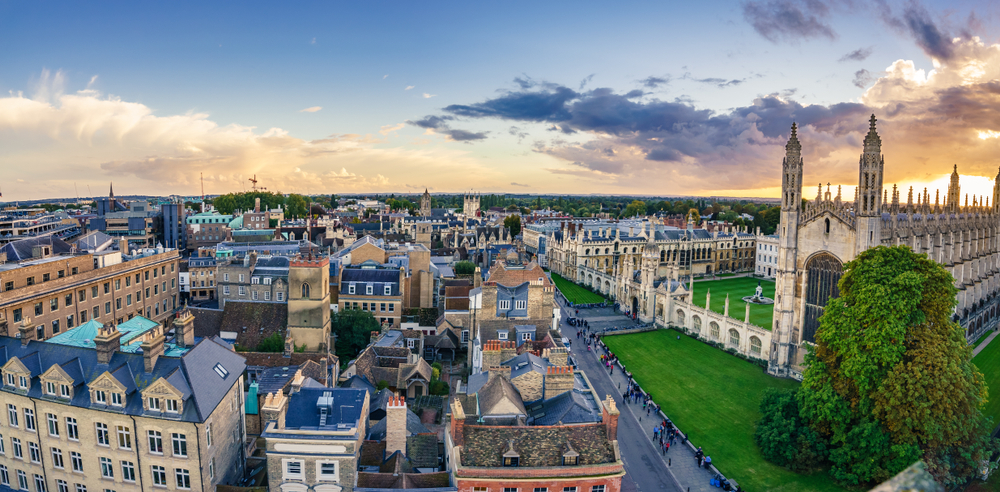
There technically isn’t one overarching United Kingdom education system. Rather, each nation (England, Scotland, Wales, and Northern Ireland) has its own system.
For simplicity, we’ll just cover the English higher education system, and this is what we’re referring to when we use “British education system” or “the education system of Great Britain” here.
The system of education in Great Britain
There are four types of schools in England that can provide higher education. These are:
Students can usually enter undergraduate courses from age 18. These courses range from certificates of higher education and diplomas to bachelor’s degrees and foundation degrees. These awards are ranked in levels. For example, a diploma of higher education is level 5, whereas a degree in dentistry, medicine, or veterinary science is level 7.
Postgraduate study is available to any student who has completed a degree. These come in a variety of forms including graduate diplomas, postgraduate certificates, and master's degrees.
Many English schools also offer integrated masters degrees, which automatically bridge the gap between undergraduate and postgraduate studies.
Once you have both an undergraduate and postgraduate qualification, you may be able to study a PhD or professional doctorate (the highest level of university education in England).
Other countries in the UK have a similar higher education system to this, but you might notice some slight differences if you study in Wales, Scotland, or Northern Ireland.
The best universities in the UK for international students