
How to study in Malaysia

PTE Author
PTE Author
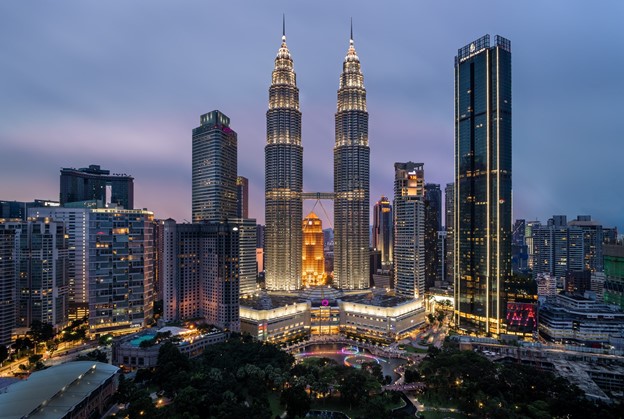
Image- KL twin tower, 624px
Reading time: 5 minutes

With high-quality universities, more affordable tuition, and the fastest growing regional economy in the world, Asia has become a popular destination for international students. This includes students from within the region itself.

Western countries still attract a large number of students each year. “But the idea that a Western degree is automatically better and more advantageous than one obtained in Asia is losing ground.” states by ICEF Monitor.

In fact, countries like China, South Korea, Japan, Singapore, and Malaysia have all been competing to attract more international students in recent years. As a result, Asian students now have the opportunity to receive a world-class education and international study experience much closer to home. This is especially important for many families today, as uncertainty surrounding the pandemic is expected to continue.

Now, let’s take a look at what one Asian country – Malaysia – has to offer international students. We’ll also go into what students should keep in mind as they plans their studies:

Malaysia at a glance

Malaysia boasts innovative universities and excellent intra-regional mobility, making it a great place for students to consider. The country has worked to put itself on the map as a destination for international learners. It hopes to welcome 250,000 students from abroad by 2025. Students come from a variety of countries including Bangladesh, China, Indonesia, Yemen, and Nigeria.

Bahasa Malaysia is the country’s official language. However many university courses are taught in English.

Universities in Malaysia

Malaysia boasts more than 100 higher education institutions. Many universities here are also ranked amongst the top in the world by the QS World University Rankings. Included in the ranking are: 

  • University of Malaya (UM): Ranked 60th globally. 

  • Universiti Putra Malaysia (UPM): Ranked 148th globally. 

  • Universiti Kebangsaan Malaysia (UKM): Ranked 138th globally. 

  • Universiti Sains Malaysia (USM): Ranked 146th globally. 

A number of international universities have also opened branches in Malaysia. These include the University of Nottingham, Heriot Watt University, Monash University, Xiamen University, and Newcastle University, to name a few. They provide students with the chance to earn a degree from Western universities without having to leave the region.

If you're looking to explore your study options, the government has a great tool for students to find the program that suits them best. You can also learn more about diploma studies with this useful guide.

In order to study in Malaysia, students will need to prove they are proficient in English and PTE Academic is the ready choice for you to do so. PTE Academic is a computer-based language test that provides unbiased and secure proof of a candidate’s English skills for study, professional, and migration purposes.

According to language requirements set by Malaysian Qualifications Agency (MQA), students who plan to undertake a Bachelor’s degree and above at university or college must score a minimum of 47 for PTE Academic, which is equivalent to CEFR High B1 level.

Students who wish to undertake a diploma course will need to have a minimum PTE Academic score of 36, which is equivalent to CEFR Low B1 level. However, students should always check with their respective university or college to confirm their language score requirements.

Getting your visa

Applying for a Student Pass to study in Malaysia is relatively simple and can be done online. Before starting your application, you must have a letter of acceptance from your university. The whole visa process takes about one month. You’ll find out how to apply on the Education Malaysia website.

With a Student Pass you can work up to 20 hours a week, but only during school breaks that last longer than 8 days.

Cost of living

Malaysia draws the attention of students all around the world because it offers an affordable, yet still top class education. A bachelor degree, for example, costs between $10,000-20,000 USD. This is a lot less than in the United States or the U.K. In fact, Malaysia’s booming capital city Kuala Lumpur was named the second most affordable city in the world for students by the QS Best Student Cities ranking.

Financial aid

International students in Malaysia can apply for financial aid. Universities offer scholarships directly to students. To get an idea of what these might be like, you can take a look at the scholarships offered by University of Malaya.

The Malaysian government also provides scholarships to international students. The Malaysia International Scholarship – which offers air tickets, tuition, and a monthly allowance, among other benefits – is one scholarship to look into. The Malaysian Commonwealth Scholarship and Fellowship Plan also offers international students some generous financial support.

Want an international study experience in Malaysia?

PTE Academic – a fast, flexible, fair, and secure English assessment can help you get there. Book the test now and get the result within 2 days.

View prices in your country and find your local test center.

Last updated 20 December 2024.

Related Content

  • Image- student accommodation, 800px
    How to find student accommodation in Australia
    Reading time: 6 minutes

    Have you been accepted to study in Australia? Looking for a place to live can be one of the most enjoyable parts of planning your move abroad. There are lots of housing opportunities for international students – and in this blog, we’ll take you through a few options.

    We’ll explore accommodation around two popular universities – The University of Adelaide and The University of Melbourne to help you begin your search. We’ll also give you an idea about where you might look for housing in other cities around the country. 

    What’s important to you? 

    There are a number of things you should consider when deciding on a place to live. We recommend making a list of everything you want in a home. Having a clear idea about what kind of place you want to live in will help you to narrow down your housing options – and ensure you have the best possible experience abroad. Ask yourself:  

    • Do you want to live close to campus? 

    • Do you want to live in a house or an apartment?

    • Do you want to live in a social setting with roommates?

    • What amenities can’t you live without? (like air conditioning or high-speed internet)

    • And, of course, what is your budget? 

    You might be interested in our blog: Australian loans for international students 

    On-campus housing 

    Nearly all major institutions in Australia offer on-campus accommodation for international students. Lots of people choose to live in these residences because they’re convenient and it’s really easy to get to class. University residences also provide international students with a supportive place to call home right upon arriving from abroad.

    Living on-campus is a great opportunity to meet fellow students, too, because there are usually lots of social events planned throughout the semester. Accommodation can range from shared dorm rooms, single rooms, or private studio apartments, and can cost between $110-$280 AUD a week.

    So, what do The University of Adelaide and The University of Melbourne offer?

    Off-campus housing 

    There is a whole range of housing options off-campus, too. Let’s explore:  

    Student accommodation 

    There are lots of private student accommodation options located close to universities. They are usually not managed by universities themselves. But they are designed specifically for students and usually have many of the same facilities as a student residence – such as food halls or study rooms.

    Remember, even if you don’t live in a university residence, you can still have a full social life and take part in activities with fellow students.

    Check out these resources to help find off-campus student accommodation in Melbourne and Adelaide: 

    • Adelaide Student Housing is a website made to help international students look for accommodation in the city. It’s run by the Government of South Australia and features more than two dozen student housing options – including places like UniLodge, Y Suites, and Atira Student Living. The website also lists weekly prices for each property, making it easy for international students to compare. Prices range between $105-$690 AUD a week.

    • Close to the University of Melbourne, you can also find places like UniLodge and Infinity Place. Prices for these two options range between $173-$589 AUD a week. If you want to look for more student housing locations check out the website University Living, which lists accommodation for students in hundreds of cities around the world.

    Private rentals  

    When you finally arrive in Australia, you might also decide to live on your own in an apartment. There are definitely some benefits to living in a private rental. You get more independence and privacy. You can also choose to live anywhere you like in your new city or town.

    According to the government website Study Australia, rent can cost between $185-$440 AUD a week. You might also be asked to sign a lease for an extended period, which could give you less flexibility during your time abroad.

    You can look for private rentals in Melbourne, Adelaide, and across Australia using websites like DomainGumtree, or realestate.com.au

    Living with roommates  

    Sharing a house or apartment is a popular option for local and international students alike. It’s common for three or more people to share the same living space.

    Overall, this arrangement gives you a great chance to meet other students or young professionals – and perhaps even form lasting friendships. Shared accommodation can cost between $95-$215 AUD a week. Just make sure to sign a contract so everyone is aware of their rights and responsibilities.

    You can search for roommates on websites like flatmates.com.au or Flatmate Finders. Also check out university-specific community Facebook groups, where students often post rooms for rent.  

    Homestays 

    You might choose a homestay option, which means you’ll live with a local family. This might help you feel more supported and less isolated. You’ll also get the chance to practice your English skills in a home environment and possibly go on trips to visit local attractions, celebrate holidays, and experience your host family’s culture.

    Homestays usually include meals, which can be a big plus for busy students. They can be arranged by an education agent in Australia, but there are a range of organizations you can look into for more information, as well – including  Australia Home Stay Network, and Study Vision.

    As you can see, there are lots of accommodation options for international students across Australia. And the best part? Many are designed to support students’ needs and make them feel at home while abroad.

    At PTE Academic, we’re also committed to helping students succeed. We have tons of resources for international students moving across borders – including articles on Australian student visas, the benefits and costs of studying in Australia, and scholarships around the worldCheck them out!

  • Image- nurse- 800px x 451px
    How to work as a registered nurse in the UK, US and Australia
    By PTE Author
    Reading time: 6 minutes

    Are you interested in working as a nurse overseas? With the right qualifications, your passion for nursing could help you begin a new chapter in Australia, the US, or the UK.

    In this guide, we’ll learn about what you’ll need to do to work as a registered nurse in each country, as well as what employment opportunities waiting for you abroad. Let’s explore:  

    Nursing in Australia: requirements 

  • Image- Nurse, 1080px
    The great UK skills shortage: 5 occupations that can help you move abroad
    By PTE Author
    Reading time: 6 minutes

    The UK has long drawn people from around the world to live, work and study. It boasts an excellent healthcare system and impressive universities. Its countryside and cities are dotted with historic buildings and castles. Another big plus? The UK is incredibly diverse.  According to the Migration Observatory at the University of Oxford, about 14% of the UK’s population was born abroad, and 35% of immigrants live in London. And, many of the UK’s migrants come to work. In fact, in 2019 48% of EU residents moved to the UK to work, while 21% of non-EU residents did.

    So what kind of jobs are there in the UK for international applicants? The UK has a skills shortage for a long list of occupations, and professionals who can fill them will have an easier time applying for a UK work visa under the new points-based immigration system.

    In this blog, we’ll explore what top professions can help give you an advantage when applying for a UK work visa, and insight on how to get a job in the UK.

    The top jobs in the UK for international applicants 

    The UK has two shortage occupation lists. One outlines occupations in healthcare and education that need more personnel. The other list features occupation shortages from a range of different fields – including the arts, science, and IT.

    To be eligible for a Skilled Worker visa in the UK, you need to reach 70 immigration points. And working in a job on the Shortage Occupation List counts for 20 points – which can provide you with a big advantage. We’ll expand on a few top jobs on the list:

    1. Nurses

    The UK has faced a nurse shortage for a long time. Right now, England needs to fill more than 36,000 positions, making it an excellent place to look for work if you’re a nurse wanting to move abroad. Already, about 15% of nurses in the UK are trained overseas.

    However, nurses and other healthcare professionals were added to the Shortage Occupation List just this March. “Every year we welcome healthcare workers from across the world to our United Kingdom, with many having played a key role on the frontline of the NHS during the recent pandemic,” said the UK Minister for Future Borders and Immigration, Kevin Foster, in a statement.

    The move, he said, will help ensure international healthcare professionals get the immigration status they deserve.

    Learn more about how to register as a nurse in the UK.

    2. Pharmacists

    Pharmacists were also added to the UK’s Shortage Occupation List in 2021. While not as in short supply as nurses, there’s a pharmacist vacancy rate of about 8% in hospitals. Again, this means there could be of opportunity for internationally-trained pharmacists to find a job in the UK.

    To work as a pharmacist in the UK, you need to register with a regulatory body called the General Pharmaceutical Council, which you can learn more about on the NHS website. (The NHS is the UK’s publicly funded healthcare system).

    3. Engineers

    There are also plenty of engineering jobs on the shortage occupation list. From civil engineers to mechanical engineers, to electrical engineers and everyone in-between engineers from around the world are in high demand in the UK.

    Depending on the field of engineering you work in, you’ll have to make 80% of the going rate for the job to be eligible for a Skilled Worker visa.  That’s between about £26,160 and £29,600 per year.

    4. Secondary education teachers

    Secondary education teachers who teach math, physics, modern foreign languages, and computer science are some other jobs on the list. If you’re a trained teacher outside the UK, you can work without getting Qualified Teacher Status (QTS) for four years. But after that, you’ll have to become a qualified teacher in the UK.

    You can learn more about teacher salaries on the UK Department of Education website. To qualify for a visa, you’ll have to earn at least £20,480 (or more depending on where you’re located).

    5. Graphic designers

    Are you a graphic designer? Well, you’re in luck. Graphic designers are also a sought-after profession in the UK. It’s common for graphic designers to work on a freelance basis. But keep in mind: to qualify for a Skilled Worker visa, you’ll need to get a job sponsorship in the UK from an employer.

    You’ll also have to earn 80% or more of the going rate for graphic designers in the UK. This is about £18,800 per year.

    How to get a UK work visa

    Skilled Worker visa lets you work in the UK with an employer who is approved by the Home Office, which is a UK government department. As we mentioned above, you’ll have to reach 70 immigration points to be eligible. Having a job offer from an employer, professional skills, and English proficiency all contribute to your points.

    Depending on your situation, you may decide to apply for another type of visa or immigration route, such as the EU Settlement Scheme or UK Graduate visa. There is also a Health and Care Worker visa, which enables healthcare professions to work with the NHS.

    How to find a job in the UK

    So, how can you find an employer in the UK to sponsor you? There are lots of job boards that are related to specific professions. For example, the UK’s Department of Education offers a website to search for teaching vacancies by location. There’s also Nurses.co.uk, which features thousands of nursing jobs. More generally, websites like Reed and Jobsite are also good places to look for employment in the UK.

    All in all, the UK is an excellent place to call home. And better yet, there’s plenty of job opportunities to help you thrive.

    Our Secure English Language test, PTE Academic UKVI, is accepted by the UK’s Home Office for all UK visas to test your four language skills – including the Skilled Worker visa.

    Learn more about the PTE UKVI test today.