
Mastering PTE Academic: A guide to the "Respond to a Situation" task

PTE Author
PTE Author

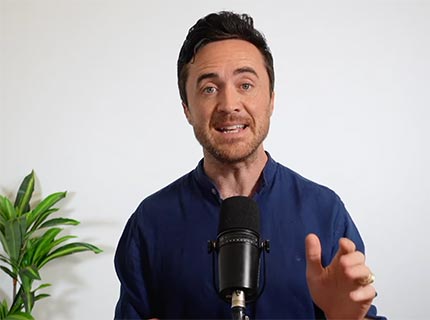
The "Respond to a Situation" task in the Speaking section of PTE Academic tests your ability to handle real-world university scenarios using appropriate language. This task simulates everyday campus interactions, requiring you to respond naturally and effectively to common situations you might encounter as a student.

Play
Privacy and cookies
By watching, you agree Pearson can share your viewership data for marketing and analytics for one year, revocable upon changing cookie preferences. Disabling cookies may affect video functionality. More info...

Understanding the task format

In this task, you'll be presented with a realistic university scenario and asked to provide a spoken response. The situations typically involve:

  • Asking your lecturer for clarification

  • Requesting help from another student

  • Resolving an issue with library staff

  • Other common campus interactions

Task structure and timing

When the task appears on your screen, you'll see:

  1. Standard instructions at the top

  2. A description of the situation and task question

  3. An audio box

  4. Recording status at the bottom

The task follows a clear three-step process:

Step 1: Read and Listen (a few seconds)  You'll have time to read the instructions while simultaneously hearing the audio description of the situation.

Step 2: Prepare (10 seconds)  After the audio stops, you have 10 seconds to organize your thoughts before the microphone opens.

Step 3: Record (40 seconds)  When you hear the tone, begin speaking. You have 40 seconds in total to deliver your complete response.

How your response is scored

The "Respond to a Situation" task uses ‘partial credit’ scoring, meaning you earn points on the quality of your answer, rather than receiving a simple right or wrong mark. Your response is evaluated on three key criteria:

1. Content

This is the most critical aspect for this particular task. To score well on content, your response must:

  • Address the situation effectively by responding to what's being asked

  • Stay on topic and achieve the goal described in the task

  • Be original and relevant using your own ideas and language, not memorized responses

  • Use a variety of appropriate expressions that suit the situation

2. Pronunciation

Your ability to produce clear, understandable speech.

3. Oral fluency

The smoothness and natural rhythm of your spoken response.

Analyzing the task description

Every task description contains three essential elements that guide your response:

1. The Situation

This tells you what's happening and provides context for your conversation.

Example: "You're working on an essay for your course and you're having difficulty organizing your ideas."

2. The Person

This identifies who you're speaking to, which directly influences the tone and formality of your response.

Example: "You approach your professor after class."

3. The Goal

This reveals what you need to achieve in the conversation.

Example: "Ask her if you could come to her office to discuss your essay." Understanding these three components is crucial for crafting an effective response that earns a high content score.

Crafting a high-scoring response

Let's examine a sample task and a high-scoring response:

Task

You're working on an essay for your course and you're having difficulty organizing your ideas. You approach your professor after class and ask her if you could come to her office to discuss your essay. What do you say to her?

Sample response

"Excuse me, professor. Would I be able to book in some time to visit you in your office and talk about the essay for our course that's due next week? I'm really struggling with how to organize my ideas in the essay. I feel I'm doing a good job with identifying the main topics in my writing, but I'm finding it difficult to come up with supporting ideas and therefore the essay is badly organized. Could I come to your office tomorrow morning to discuss this?"

Why this response scores well

Clear and polite opening  The response begins with "Excuse me, professor," which directly addresses the person and sets an appropriate tone.

Immediate main request  The speaker states the primary request early: "Would I be able to book in some time to visit you in your office?" This uses appropriate, polite language.

Clear problem description  The difficulty is explained succinctly: "I'm really struggling with how to organize my ideas."

Detailed and relevant explanation  The speaker demonstrates understanding of the issue and adds relevant details that show engagement with the problem.

Polite closing  The request is repeated with a polite question: "Could I come to your office tomorrow morning to discuss this?"

Structural strengths This response succeeds because it:

  • Meets the primary communication goal by clearly stating the request and explaining the situation

  • Demonstrates polite and appropriate language for the context (modal verbs like "Would I be able to" and "Could I come")

  • Shows flexibility in language use, including natural contractions ("I'm really," "I'm doing")

Essential tips for success

Structure your response effectively

Speak in the first person  use "I" rather than "he" or "she." Speak from your own experience as if you're actually in the situation.

Start with an appropriate opening  Choose greetings that match the context, such as "Excuse me" for formal situations or "Hi" for more casual interactions.

Explain the situation accurately  Avoid factual mistakes and ensure your explanation aligns with the prompt.

Make the request early  State your main goal clearly at the beginning of your response, and consider repeating it at the end for emphasis.

Content guidelines

Cover the main points  Include all essential details from the prompt to ensure you're addressing the task requirements.

Add relevant details  Feel free to expand your answer with extra information that demonstrates your ability to develop ideas and communicate effectively.

Stay consistent with the prompt  All added details must match the scenario. For example, if the prompt says "ask her if you can come to her office," don't say "Can I meet you in the library?" Inconsistencies will lower your content score.

Key takeaways

There isn't a single correct answer for the "Respond to a Situation" task. You can use different language and express yourself in various ways, as long as you meet the task requirements.

The most effective approach is to imagine you're actually in the moment, speaking directly with the person in the situation. This mindset will make your response flow more naturally and sound authentic.

Remember that this task reflects real-life communication skills you'll need in an academic environment. The scenarios are designed to mirror actual university interactions, so responding as you would in real life using appropriate, polite language is the key to success.

Practice is essential. The more you rehearse different scenarios before test day, the more comfortable and confident you'll become at delivering clear, effective responses under timed conditions.

Related Content

  • What is retrogression and what does it mean for nurses planning to work in the USA?
    Reading time: 3 minutes


    For many nurses dreaming of a career in the United States, one of the most confusing terms you’ll encounter is “retrogression”. It’s a word that often sparks concern, uncertainty, and plenty of misinformation. 

    The good news? Retrogression does not mean your U.S. nursing journey is over. Understanding what it is and how to prepare can help you make smarter decisions and avoid costly delays. 

    What is retrogression? 

    Retrogression occurs when the number of people applying for U.S. immigrant visas exceeds the number of visas available in a particular category or country. 

    Many internationally-educated nurses apply through the EB-3 employment-based immigration pathway. When demand becomes higher than the number of visas allocated, applicants may need to wait longer before they can move forward with their visa processing. 

    The U.S. Department of State publishes a monthly Visa Bulletin that shows which applications can proceed based on their priority date. 

    Why does retrogression affect nurses? 

    The United States continues to experience nursing shortages, which creates strong demand for qualified international nurses. However, visa allocations are limited by law. 

    As a result, nurses from countries with high numbers of applicants may experience longer waiting periods between filing paperwork and receiving final visa approval. 

    Common myths about retrogression 

    Myth 1: “I should wait until retrogression ends before starting my application.” 

    Reality: Waiting can actually place you further behind. Many immigration professionals recommend starting your preparation early so that your documents, credentials, and testing requirements are ready when opportunities arise. 

    Myth 2: “Retrogression affects everyone equally.” 

    Reality: Processing timelines can vary depending on factors such as country of chargeability, priority date, and visa availability.  

    Myth 3: “There is nothing I can do while waiting.” 

    Reality: There are many productive steps you can take during retrogression. Let's talk about some of them here.

    What should nurses do during retrogression? 

    Use this time to strengthen your application: 

    • Complete your English language testing requirements.
    • Prepare licensing and credential evaluation documents.
    • Gain additional clinical experience where possible.
    • Research potential employers and recruitment partners.
    • Stay informed about monthly Visa Bulletin updates. 

    Nurses who use waiting periods strategically are often better positioned when visa movement resumes.

    Focus on what you can control

    Retrogression is a reality of the U.S. immigration system, but it does not change the long-term demand for qualified nurses.

    Rather than focusing on delays you cannot control, concentrate on building a complete and competitive application. Every document prepared, test completed, and requirement met brings you one step closer to your goal.

    Key takeaway

    Retrogression may affect timing, but it does not eliminate your opportunities. Nurses who stay informed, continue preparing, and monitor official updates are often in the best position to succeed when their priority date becomes current.

    We have more articles to support you on your nursing journey, so keep checking our inspiration and advice page for more. 

  • Your U.S. nursing journey checklist: 7 things to do before you apply
    Reading time: 3 minutes


    Planning to work as a nurse in the United States? The earlier you prepare, the smoother your journey is likely to be. 

    Many delays occur because applicants discover missing documents or requirements late in the process. Creating a readiness plan can save you significant time later. 

    Use this checklist to help prepare for your future U.S. nursing career. 

    1. Confirm your nursing credentials 

    Gather and organize your: 

    • nursing diploma or degree
    • professional licenses
    • academic transcripts
    • employment records

    Having these documents readily available can help streamline future application processes. 

     2. Understand the U.S. nursing pathway 

    Take time to learn about: 

    • employment-based immigration pathways
    • licensing requirements
    • credential evaluation processes
    • state-specific requirements

    Getting a clear understanding of the process helps you to set realistic expectations.

    3. Prepare for English language testing

    Many nurses need to demonstrate English proficiency as part of their pathway. Starting your preparation early can improve your confidence and give you flexibility when booking test dates.

    4. Build your professional experience

    Continue developing your clinical skills and maintain your professional practice where possible. Experience can strengthen your profile and may increase your employment opportunities.

    5. Create a personal document tracker

    Keep copies of important documents in a secure location and track:

    • expiration dates
    • license renewals
    • passport validity
    • testing results

    Being organized reduces stress later in the process.

    6. Stay updated on visa and immigration changes

    Immigration policies and visa availability can change over time. Make sure you follow official government updates and reputable industry resources so you can be sure you have accurate information when making decisions.

    TruMerit (formerly CGFNS) is a good source of up-to-date and relevant information.

    7. Develop a financial plan

    The cost of an international career move can often add up, with expenses for testing, documentation, licensing, and travel. Creating a savings plan early can help reduce financial pressure and keep your goals on track.

    Why preparation matters

    Successful applicants often begin preparing months or years before they receive employment opportunities. The more requirements you complete in advance, the better positioned you may be when the right opportunity becomes available.

    Key takeaway

    Working as a nurse in the United States is a long-term goal that requires planning, patience, and persistence. Focus on the steps you can take today. Every document organized, every skill developed, and every requirement completed brings you closer to achieving your professional ambitions.

    We have more articles to support you on your nursing journey, so keep checking our inspiration and advice page for more. 

  • Do you need hospital experience to work as a nurse in the USA?
    Reading time: 4 minutes


    One of the most common questions asked by nurses considering employment in the United States is: 

    “Do I need hospital experience before I can apply?” 

    The answer is not always straightforward. Requirements can vary depending on the employer, healthcare facility, staffing agency, and state. 

    Understanding the difference between immigration requirements and employer requirements is critical.

    Immigration requirements vs. employer requirements 

     Many nurses assume that hospital experience is a mandatory requirement for US immigration. Eligibility and employer hiring criteria are often separate considerations. 

     While immigration pathways focus on professional qualifications and documentation, individual employers may establish their own separate hiring standards.

    Why employers value clinical experience 

    Healthcare employers often prefer candidates who have clinical experience, as it can help demonstrate that they can adapt quickly to patient care environments and clinical workflows. 

     Relevant experience may demonstrate: 

    • clinical competence 
    • confidence in patient care 
    • familiarity with healthcare systems 
    • ability to work in high-pressure environments 
    • professional maturity.

    Some employers may require specific amounts of recent bedside nursing experience, while others may offer opportunities to nurses with more limited experience.

    Common areas of experience sought by employers 

    Depending on staffing needs, employers may seek nurses with backgrounds in: 

    • medical-surgical nursing 
    • critical care 
    • emergency nursing 
    • operating theatre services 
    • long-term care 
    • specialty nursing fields.

     Demand can vary significantly by location and employer. 

    What if you have limited experience? 

    If you are early in your nursing career, don’t assume your US plans are impossible. Instead: 

    • continue building skills – seek opportunities to develop clinical confidence and broaden your patient care experience.  
    • Prepare other requirements – focus on completing English language testing, credential evaluations, and licensing requirements.  
    • Research potential employers – different employers have different expectations. Understanding these requirements early can help you plan your career development effectively.  
    • Speak with trusted recruitment partners – reputable recruiters can provide guidance on current market expectations and employer preferences. 

    Avoid making decisions based on rumors 

    One of the biggest challenges for aspiring US-bound nurses is the amount of conflicting information available online. It's important that you always verify information through official sources and trusted industry professionals before making major career decisions, so you can be assured that those decisions are based on accurate information. 

    Key takeaway

    Hospital experience can strengthen your application and expand your employment options, but requirements vary widely. The most effective approach is to understand your target employers, build your professional skills, and ensure your application remains as competitive as possible.

    We have more articles to support you on your nursing journey, so keep checking our inspiration and advice page for more.