How do you know PTE Academic’s computer marking works?

PTE Author
PTE Author
Video thumbnail for the video, 'Learn how PTE Academic uses AI to mark tests'
Reading time: 2 minutes

How do we know automated scoring works

Are you thinking of taking PTE Academic, or have you recently taken it, but you are wondering how it is that a computer can mark your test?

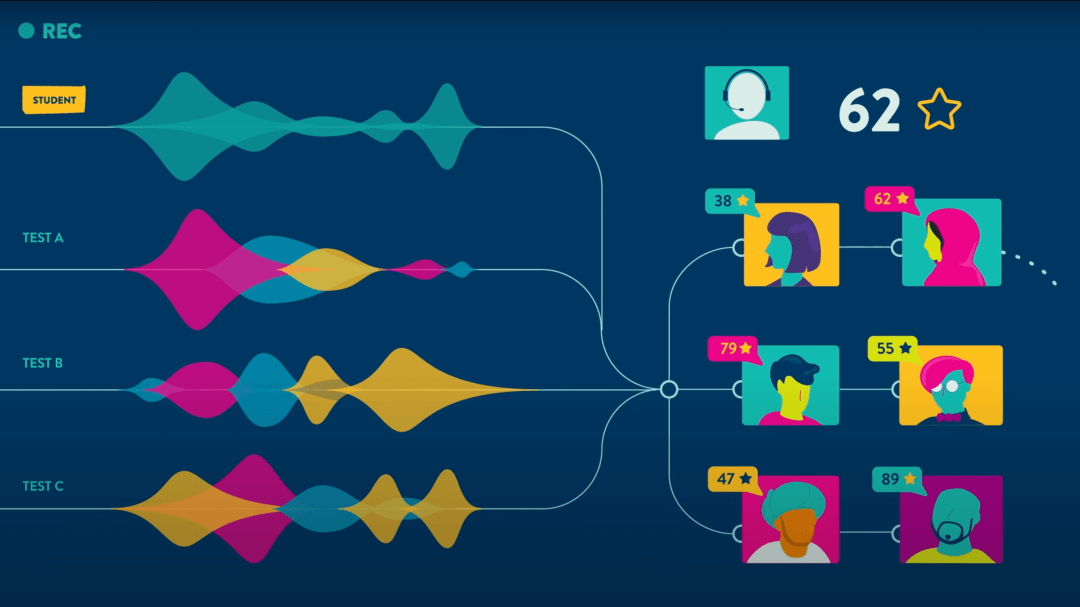
Well, firstly the test has been designed by humans, all leading experts in their field. Our human experts design and write the questions, quality assure them, and then score them. At this point, computers are trained to use the patterns of highly trained language experts to attribute scores to questions. When the computer marks correlate highly with the human scores, we then allow the computer to mark test scripts from across the world.

As a result of our processes and technology, the computer behaves like an expert human examiner – but without any possible bias, lack of concentration, or variation between individual examiners.

The scoring criteria are exactly the same as human scoring – test takers are marked on their delivery, clarity, relevance, the accuracy of grammar, and appropriateness of vocabulary.

Want to hear more?

Take a couple of minutes and listen to one of our leading independent advisors, Dr. Alistair Van Moere, a member of Pearson’s Technical Advisory Group, as he explains how it all works.

Play
Privacy and cookies
By watching, you agree Pearson can share your viewership data for marketing and analytics for one year, revocable upon changing cookie preferences. Disabling cookies may affect video functionality. More info...

About the Author

Dr. Alistair Van Moere is the Chief Product Officer at MetaMetrics Inc. where his role is to drive innovation in assessments and learning and to help individuals and organizations make sense of measurement and test scores. Through the Lexile® Framework for Reading, Alistair’s work extends to over 35 million learners in 180 countries, who get connected with learning resources at their level and have their progress monitored against standards. 

Learn more about the PTE Technical Advisory Group.

Related Content

  • English language tests for work visas and skilled migration
    Reading time: 6 minutes

    Many countries require applicants to prove their English language proficiency when applying for work visas or skilled migration pathways. Commonly accepted English tests include PTE, IELTS, TOEFL and CELPIP, depending on the destination country and visa route.

    Requirements vary by immigration authority, visa category, occupation and English proficiency framework. This guide explains which English tests are commonly accepted for work visas, how English proficiency levels are assessed, and what to check before booking a test.

  • Which English tests do universities accept for international students?
    Reading time: 5 minutes

    You are preparing applications and need to confirm which English proficiency evidence universities will accept. This guide explains the main English language proficiency tests commonly recognised by higher-education institutions worldwide and highlights where test variants or immigration rules can change acceptance.

  • How to choose the best English test for US college admissions
    Reading time: 4 minutes

    Applying to a US college as an international student means proving your English language proficiency. But with so many exam providers—PTE Academic, TOEFL, IELTS, and Duolingo—it can be challenging to decide which one fits your goals best. 

    The best test for US college admission depends on several factors: which exams your chosen university or college accept, your preferred format, budget, and how soon you need your scores. This guide walks you through each key step, helping you select the right test and prepare with confidence.