Choosing an English proficiency exam for university admissions

PTE Author
PTE Author
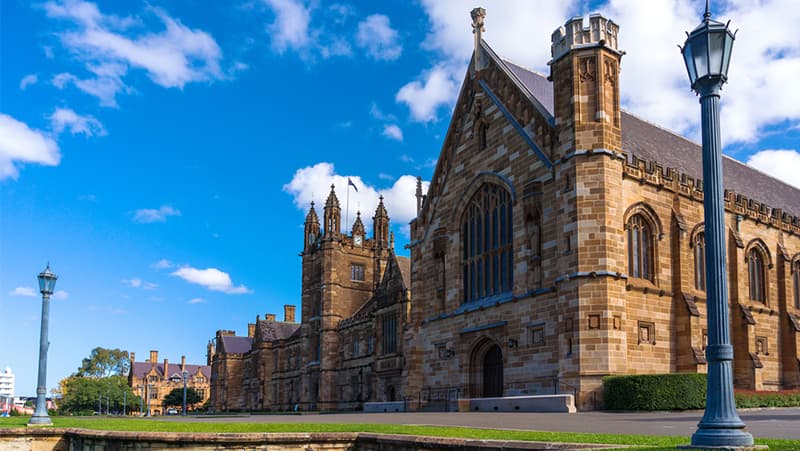
An image of a university in Australia
Reading time: 6 minutes

Applying to university or college often involves meeting an English language requirement, which can feel high-pressure when deadlines and offers depend on a single result. The best English proficiency exam for university admissions is one that your chosen institutions formally accept and that fits your application timeline.

Pearson Test of English (PTE) Academic is one such exam, designed and administered by Pearson to provide standardized, comparable evidence of academic English ability.


How universities decide which English exams they accept

Universities and colleges do not identify a single “best” English exam for all applicants. Instead, each institution selects a set of tests that meet its needs. It then sets minimum scores for each test that meet its language requirements. These scores are often set at program level, which means requirements may differ between undergraduate, postgraduate, foundation, or professional courses.

Because these policies can change, you should always rely on official admissions pages rather than third-party summaries when confirming requirements.

From a university’s perspective, an accepted test must produce results that are secure, verifiable, and comparable across applicants. This is why institutions focus on test design, scoring consistency, and reporting systems when deciding which tests to accept.

Further reading:


How test design affects how universities interpret results

Test design matters to universities and colleges because it shapes what a score represents and how reliably results can be compared across applicants. Admissions teams need confidence that scores reflect an applicant’s ability to use English in a practical, academic context, and that they are produced under consistent and fair conditions.

PTE Academic uses integrated tasks that assess multiple language skills together – such as reading and writing – which reflects how English is used in real-life university study. All speaking responses are recorded and assessed within the same computer-based session, rather than through a separate interview. This standardized design means institutions receive results that are easier to interpret and compare fairly.

Further reading:


Why scoring design matters for admissions decisions

Scoring design is central to how universities interpret test results, because admissions teams need to compare applicants fairly across countries, test centers, and test dates, and be confident that their English language skills are measured consistently.

PTE Academic uses automated scoring technology that analyzes features such as pronunciation, fluency, grammar, and vocabulary using consistent criteria. Responses that require additional checking are reviewed by trained experts to protect accuracy and test integrity. This blended approach exists to apply the same standards to every test, regardless of where or when it is taken.

Results are reported on a scale of 10-90 (using the Global Scale of English) for overall performance and for each communicative skill. This granular level of detail allows institutions to set very precise score thresholds, mapped to the specific demands of their courses.

Because scoring is centralized and common for every test, rather than assessed locally by an individual, results are easily comparable across all test takers.

Further reading:


How test delivery affects the application process

Test delivery matters to universities and colleges because it determines how securely responses are captured, and how consistently the assessment is administered. PTE Academic is delivered entirely on computer at secure test centers, with all test activity conducted under the same controlled conditions.

The full test is completed in a single session, with speaking, writing, listening, and reading all recorded digitally as part of one standardized process. There is no separate speaking appointment and no paper handling, which reduces administrative variation between test centers and test dates. Other English exams may use paper-based formats, remote delivery, or in-person interviews.

While these approaches can work in different contexts, they can introduce additional administrative complexity or variability. For admissions teams, a single, computer-based delivery model makes it easier to verify and handle results across large pools of international applicants.

Further reading:


How results timelines affect university applications

Application deadlines are fixed, which makes results timelines an important practical consideration. PTE Academic is designed to deliver results quickly after the test is completed, typically within 48 hours. Fast reporting allows you to confirm earlier whether you have met a university’s score requirement and to send official results without delay.

PTE Academic supports electronic score delivery to institutions through a secure platform, which reduces administrative handling and helps admissions teams verify results efficiently. Most universities also require that English test scores are recent, often within two years of the application date. You should therefore consider both score validity periods and reporting timelines when choosing a test date.

Further reading:


How acceptance works across countries and institutions

Acceptance depends on whether a university or authority has formally recognized a test for a specific purpose. PTE Academic is accepted by universities and colleges across major study destinations, including the United Kingdom, Canada, Australia, New Zealand, the United States, and in many other institutions globally.

It is also accepted for certain student visa pathways where proof of English proficiency is required. Acceptance can still vary by program, even within the same institution. For example, professional degrees or pathway programs may list different score requirements than general academic courses. If an admissions page lists PTE Academic with a required score, that result is treated in the same way as any other approved English test for that program.

Further reading:


What the end-to-end testing process looks like

The testing process is designed to be standardized from registration to score reporting. You first register online, choose a test center, and complete identity and security checks. Then, on the day of the test, all tasks are completed in one sitting, with your speaking responses recorded digitally.

After completion, your responses are scored through the centralized system, and results are released once quality checks are complete. You can then send official scores electronically to your chosen institutions, and institutions can check your score through a secure online portal. If you need to retake the test, the same standardized format and scoring process applies, which helps universities compare results fairly.

Further reading:


A short checklist before you choose an exam

Before booking an English proficiency exam, it helps to confirm a few essentials:

  • Your chosen program lists the test as accepted and specifies a minimum score

  • Your planned test date allows time for score reporting and a retake if required

  • Your score will still be valid on the application deadline

  • You understand how official scores are sent to institutions

Confirming these points early helps reduce last-minute risk and keeps your university application on track.

Frequently asked questions

What is the best English proficiency exam for university admissions?

The best exam is the one your chosen universities or colleges accept and that fits your application timeline. Institutions focus on whether a test produces reliable, comparable results, not on ranking tests against each other.

Is PTE Academic accepted by universities worldwide?

PTE Academic is accepted by 4,000 universities and colleges across major study destinations. Acceptance and required scores should always be confirmed directly with each institution.

How are PTE Academic results scored?

Results are generated using automated scoring supported by expert human review, which applies consistent criteria across all test takers and supports comparability for admissions decisions.

How quickly are results available?

Results are typically available within 48 hours of test completion, which supports timely application planning.

Can I retake the test if my score is too low?

Yes, you may book another test date and retake the exam, provided you allow enough time before university deadlines.

Related Content

  • Flinders Street Station Melbourne
    Where to live in Australia: your guide to relocating Down Under
    By PTE Author

    Endless beaches, world-class coffee, and… spiders the size of dinner plates (?) — Australia really does have it all! Thinking about making the move to the Land Down Under? Well, grab your sunscreen and let's explore the best places to call home in Australia.

    Melbourne: the hipster haven

    If laneway cafes, vibrant street art, and sipping artisanal coffee while wearing all black are your thing, Melbourne is your Southern Hemisphere soulmate.

    Consistently ranked as one of the world’s most liveable cities, Melbourne’s thriving arts and music scenes, paired with endless brunch spots serving smashed avo on toast, keep the vibe electric.

    With its unpredictable weather and famous tram network, Melbourne is a quirky yet sophisticated hub that never goes out of style.

    Sydney: the showstopper

    Sydney dazzles with its iconic Opera House and Harbour Bridge, but there’s so much more to this multicultural metropolis.

    From the golden sands of Bondi Beach to bustling neighborhoods like Newtown and Surry Hills, Sydney combines natural beauty with urban excitement. A magnet for international students and professionals, the city boasts fantastic job opportunities and a lively social scene.

    Just prepare for housing prices that might rival your love for flat whites – but the unbeatable lifestyle makes it worth every cent.

    Brisbane: the sunny sweetheart

    Brisbane is a laid-back city that deserves more love. With over 300 days of sunshine each year, it’s a paradise for those who prefer a more relaxed pace without sacrificing big-city perks.

    The South Bank precinct offers riverside dining, cultural attractions, and a man-made beach, while nearby adventures like Moreton Island and the Gold Coast are just a short trip away.

    Perth: the isolated gem

    Perth may be one of the most isolated major cities in the world, but it’s worth the extra travel time for the quality of life.

    With pristine beaches, sunny weather, and a booming economy, this Western Australian city has it all. Weekend wine tastings in the Swan Valley or trips to the quokka-filled Rottnest Island are local favorites.

    Plus, with world-class universities and a vibrant arts scene, Perth proves that being far from everything can be a blessing in disguise.

    The Gold Coast: the eternal summer

    If you dream of an endless summer filled with surfing, sunshine, and stunning beaches, the Gold Coast will be your ultimate playground.

    Known for its laid-back spirit, you’ll find a booming food scene, thrilling theme parks, and lush hinterlands perfect for hiking, as well as the famous 3 km-long “Surfers Paradise”.

    The Gold Coast offers a year-round vacation vibe without compromising on modern conveniences.

    Adelaide: the festival city

    Adelaide may be quieter than some of its bigger siblings, but don’t underestimate its charm.

    Known as the “Festival City,” Adelaide comes alive with events like the Adelaide Fringe and WOMADelaide. Its surrounding wine regions, including the Barossa Valley, are world-class, and the city’s low cost of living is a bonus.

    Whether you’re enjoying fresh produce at the Adelaide Central Market or swimming with dolphins off the coast, Adelaide combines culture, nature, and affordability into one appealing package.

    Canberra: the sophisticated sister

    Often overshadowed by Sydney and Melbourne, Australia’s capital city quietly holds its own with top-tier universities, abundant job opportunities, and a clean, green aesthetic.

    Canberra’s museums, galleries, and parks make it a cultural treasure trove, while its thriving food scene keeps locals happy. Sure, there are plenty of roundabouts, but that just adds to the city’s unique charm.

    With a focus on education, career growth, and quality of life, Canberra is a sophisticated choice for those who value stability and style.

    Relocating to Australia

    Moving to Australia isn’t just about picking a city—it’s about embracing a lifestyle that offers both opportunity and belonging. When we talked to people who’d made the move, 90% of respondents report that they feel welcome in Australia and 81% say they have access to opportunities that aren’t available in their home countries.

    If you’re planning to make the move Down Under, we’re here to make sure you have a worry-free start. PTE Academic is accepted by 100% of Australian universities and colleges, and it’s valid for all migration visas.

    It’s the faster, fairer, simpler test that opens the door to your Australian adventure — no matter which city you choose to call home.

  • women-laughing-in-snow
    Where to live in Canada: your ultimate guide to finding your perfect slice of the Great White North
    By PTE Author

    Looking to make the land of mountains and maple syrup your home? From bustling cities to charming small towns, Canada offers something for everyone. Whether you’re planning to study in one of Canada’s top universities or you’re a skilled worker looking to build your career, here’s our guide to finding the perfect place to call home.

    The big players: Canada's metropolitan powerhouses

    Moving to Canada doesn’t mean choosing between city life and nature. Many of Canada’s major cities have stunning views right on their doorstep. You’ll pay more for living in Canada’s biggest cities, but you’ll also enjoy a thriving international community and endless things to do.

    Toronto: foodie heaven

    The capital of Ontario is home to the postcard-famous CN Tower and more food options than you can count. Toronto is perfect for career-focused individuals who love a fast-paced lifestyle.

    It’s also where you’ll find the top university in the country Toronto University.

    Vancouver: nature meets city chic

    Nestled between mountains and the Pacific Ocean, Vancouver is a dream for nature lovers who crave urban sophistication.

    This West Coast gem offers endless outdoor adventures, from skiing Grouse Mountain to kayaking in English Bay, all just minutes from downtown.

    The city’s diverse neighborhoods buzz with cultural flair, boasting a thriving arts scene, world-class dining, and bustling markets Granville Island.

    Montreal: bilingual beauty

    Craving croissants and culture? Montreal's got you covered! This bilingual city offers the perfect blend of Old World charm and New World opportunities.

    The rent is surprisingly reasonable (by big city standards), and the poutine is a must-try for any foodie.

    For the budget-conscious: hidden gems

    Canada’s not just about the big three — there are many beautiful places just a step or two off the beaten path that can help you save money while building your new life in Canada. Keep in mind that the further north you go, the colder it will get!

    Halifax: ocean views without big bills

    Over in eastern Canada, this Atlantic port city offers a perfect blend of history, culture, and natural beauty. Stroll along the bustling Halifax Waterfront, where historic warehouses have been transformed into shops, cafes, and galleries. Fresh seafood is a local specialty, with countless restaurants serving up everything from lobster rolls to fish tacos.

    Warm summers call for a visit to Chocolate Lake Beach or a ferry ride to explore picturesque Dartmouth. With friendly locals, excellent universities, and a laid-back vibe, Halifax is a seaside haven that won’t break the bank.

    Winnipeg: an arty escape

    At the meeting point of the Red and Assiniboine rivers, Winnipeg shines as the vibrant capital of Manitoba.

    This prairie city punches well above its weight in culture, with events like the Winnipeg Folk Festival and the Royal Winnipeg Ballet keeping locals entertained year-round, while the Exchange District’s stunning architecture houses buzzing cafes, art studios, and theatres.

    Winter doesn’t dampen the spirit here — it’s embraced with outdoor skating trails and the enchanting Festival du Voyageur. With nearly 800,000 resilient residents and an affordable cost of living, Winnipeg offers both creativity and community to those willing to brave its long winters.

    For the career-focused: cities of opportunity

    From oil workers to healthcare professionals, there are many opportunities to further your career in Canada. Good news for professionals looking to relocate to Canada: PTE Core is now accepted for all economic migration visas, making your journey to Canada smoother than a frozen lake in January! Take a look at these career-friendly cities.

    Calgary: where oil money meets mountain air

    In the heart of Alberta, Calgary is a booming city where opportunity meets outdoor adventure. With a thriving energy sector powering its economy, this city attracts professionals seeking lucrative careers.

    On weekends, trade your desk for the Rocky Mountains, just an hour’s drive away, offering hiking in the summer and skiing in the winter. The Calgary Stampede brings cowboy vibes, while its modern downtown and craft breweries keep it contemporary.

    And here’s the cherry on top: no provincial sales tax means your hard-earned dollars go even further.

    Ottawa: government jobs and gorgeous falls

    As Canada’s capital, Ottawa combines political prominence with a charming, laid-back vibe. Jobs in federal government and high-tech industries ensure stability and competitive salaries.

    History buffs will love Parliament Hill, while nature lovers can take in stunning views at nearby waterfalls or bike along the scenic Ottawa River Pathway. Winter transforms the iconic Rideau Canal into the world’s largest skating rink, perfect for a commute on blades.

    With bilingual culture, excellent schools, and lush green spaces, it’s easy to see why Ottawa consistently ranks as one of the best places to live in Canada.

    For the culture vultures: cities with a creative side

    Quebec City: culture & croissants

    Quebec City brings a slice of Europe to Canada with its cobblestone streets, centuries-old French architecture, and a vibrant cultural scene. The Old Town, a UNESCO World Heritage site, is a picturesque maze of charming shops, cafes, and bistros where you can savor fresh croissants and classic poutine.

    Festivals like Carnaval de Québec keep the city buzzing, while local art galleries and theaters celebrate its Francophone heritage. Brushing up on your French will make it easier to enjoy the warm, welcoming community and embrace the city’s distinct identity, making Quebec City a top pick for lovers of culture and history.

    Victoria: British vibes with Pacific views

    Victoria, British Columbia’s capital, blends Old World charm with laid-back West Coast flair. This picturesque city is rich in culture, offering everything from afternoon tea at the historic Empress Hotel to world-class museums and galleries.

    Its stunning harbor is a hub for whale-watching tours, while Beacon Hill Park’s gardens and trails provide a serene escape. Foodies will love the farm-to-table restaurants, craft breweries, and seafood straight from the Pacific.

    Moving to Canada

    Whether you’re in search of a top student experience or the perfect place to build a career, Canada has a spot you can call home. Wherever you choose, remember to embrace the local culture, buy a good winter coat, and never, ever say you prefer American beer!

    Ready to make the move? PTE is the stress-free way to start your Canadian adventure.

    With PTE Academic accepted by 98% of Canadian universities and PTE Core accepted for all economic migration visas.

    Find out why PTE is the faster, fairer, simpler choice for your move to Canada.

  • [Asset] Businesswomen working together
    The do’s and don’ts of the Describe Image question type in PTE Academic
    By PTE Author
    Reading time: 2 minutes

    The "Describe Image" task in the PTE Academic can be challenging, but we are here to help you prepare. Here are some key do's and don'ts: 

    What to do 

    1. Use your preparation time wisely 

    • Before the recording starts, use your preparation time to identify the key trends and the most significant trend in the image. This will help you focus your response on the most important aspects. 

    2. Speak for 30-40 seconds 

    • Aim to speak for 30-40 seconds. This duration is ideal for covering the key features without rushing or running out of time.

    3. Incorporate numbers 

    • Use numbers from the image in your spoken response. Mentioning specific data points can make your description more precise.

    What not to do 

    1. Avoid memorized responses 

    • Do not use memorized responses or templated sentences. Such responses can lead to a score of 0 for content. If this happens, your fluency and pronunciation will not be scored either. 

    2. Don't try to mention every feature 

    • Focus on the key features of the image. Prioritize the most significant trends and data points within the 40 seconds. 

    3. Don't spend too much time on labels

    • While it's important to mention labels, don't spend too much time describing them. Instead, focus on the trends and data they represent. 

    4. Avoid adding personal opinions

    • Stick to describing the elements you can see in the image.  

    By following these do’s and don’ts, you can tackle the "Describe Image" task in the PTE Academic test with confidence.    Need more help preparing for PTE Academic? Visit our PTE Academic Preparation page.

    Want to explore the other PTE Academic question types? Check out our PTE Academic Question Bank for over 300 sample questions with model answers.